
Introduction
Most days, I’m watching how meals shape movement. Eating poorly before exercise turns it into something heavy, slow. Picture pasta an hour before lifting – energy drops instead of rising. What sits on your fork matters more than most think. A banana two hours prior? That often works better.
Strength shows up when timing aligns with choice. Notice how oats make mornings sharper while cheese weighs legs down later. Your body talks if you listen closely. Gym performance grows quieter or louder based on last night’s dinner. Let eggs speak in the morning. Watch water change pace by midday. Every bite pulls motion forward or drags it behind.
Wait Time Before Exercise After Eating?
When you eat matters more than most think. The human body handles one major task well at a time. Right after eating, trying to sprint confuses internal signals. Digestion needs blood flow just as intensely as legwork during sprints. One process slows when the other demands attention.
The Digestion Timeline Why Timing Affects Performance
Heavy legs after eating? Blame where your blood moves. Muscles work best with a steady flow of oxygen-packed blood. Digesting food pulls that supply toward your gut. Wait too little, energy dips follow. That sluggish drag comes from circulation shifting below.
After a big meal – like breakfast or dinner – wait two or three hours before doing anything intense. Your gut needs time to handle the work of breaking food down. It slows things way more than you’d think.
Thirty minutes might be enough time to begin with light bites or fluids. Through your body they pass quickly. A little at a time works well here.
The Dangers of Exercising Right After Meals
When time gets ignored, stomach troubles often show up. Side cramps pop up, bloating creeps in, sometimes nausea tags along too. Digestion takes a back seat once motion begins, that is why those feelings arrive. Waiting makes more sense than pushing through something messy. Bad runs start before shoes ever hit pavement.
What to eat before exercise for energy
Fuel comes first when you eat before training. Choose snacks that burn fast for power, yet won’t just pool in your gut like dead weight.
The Role of Glycogen Fueling Your Gas Tank
Fuel for thought and movement often comes from carbohydrates. Stored in the liver and muscles, glycogen keeps energy steady during activity. With full reserves, performance stretches further without fading fast. Hit a rough patch mid-effort? Low carb intake could be why.
Best Foods for Different Training Windows
Fewer ingredients work better as exercise nears. Simple meals fit tighter timelines.
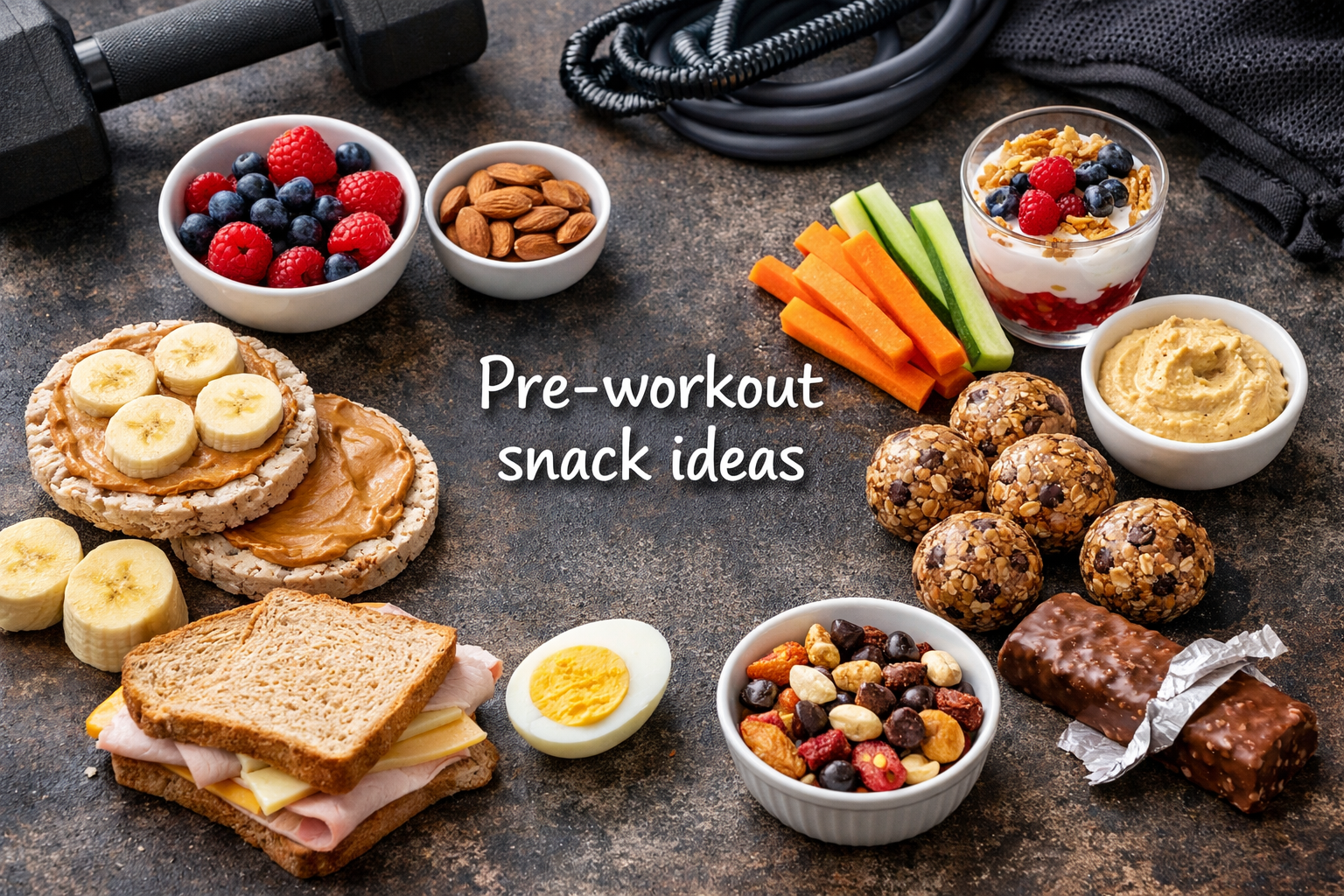
Beforehand, try oats, brown rice, or a turkey sandwich two to three hours out. They release fuel slowly, keeping things even.
A little while earlier – maybe half an hour or so – a banana works well. Grapes do too, sometimes better. Toast can help, especially if it sits right. Each one pushes your energy up fast, just when things start moving.
Things Not To Do Before Exercising
Heavy fats might slow you down if eaten just before exercise. Instead of frying things, maybe skip them close to workout time. Large amounts of beans tend to sit in your stomach for hours. Because digestion drags on, gas and discomfort often show up mid-session. Bloating creeps in when movement starts shaking unsettled food.
What to eat after exercise for muscle recovery
Your recovery starts once you leave the gym – that moment matters just like the lifting does. When you rest, your body quietly repairs the small strains put on muscle fibers during exercise.
The Recovery Trifecta Protein Carbs Rehydration
Fixing muscles after effort takes protein. This nutrient helps rebuild fibers that get worn down during activity. Without it, recovery slows way more than needed.
After exercise, your body has less stored energy. Replacing it helps avoid feeling worn out afterward. Carbs do that job well.
Sometimes muscles hurt so much it’s hard to return to workouts. Try exploring plant-based aids if daily pain slows you down. Ojvvn Herbaceuticals offers blends meant to ease discomfort after exercise. These mixes may let you move easier when starting again tomorrow.
Real Food vs. Supplements: Which is Better for Recovery?
Drinking a protein shake? Simple enough if you’re rushing. Yet whole foods – say, eggs, thick yogurt, or grilled chicken – tend to edge out powders when there’s time. Those natural options pack bonus nutrients most mixes lack entirely. Either choice holds value; pick whatever lines up with how you move through your day.
The Anabolic Window Is Not What You Think
Later on, folks claimed a half-hour window was crucial for muscle growth. Not quite accurate. Nutrient uptake remains active well beyond that timeframe. Following exercise, aim for solid nourishment between one and an hour and a half.
Adjusting Food Choices to Match Personal Exercise Aims
Fueling for Muscle Gain Bulking
Eating just a little more than you burn gets things moving. Before working out, add bread or rice – afterward, bring in eggs or meat. Meals packed with extra fuel hand your muscles what they need to build up. Over days, that effort shows.
Fueling for Fat Loss
What you put on your plate counts, especially if losing weight. Instead of lean meats plus vegetables, think of them working together to quiet hunger minus added calories. Fullness sticks around longer once food matches what you’re trying to do. When workouts finish, eat – but let how much depend on how hard you went. In the end, balance always comes out ahead.
Endurance vs. Strength Training Nutrition
Carbs? They’re what keep you going. Long miles eat up your energy quick – your body relies on those sugars to stay fueled mile after mile.
Aim higher when it comes to eating protein if you lift weights. That fuel repairs the tiny tears in muscles caused by intense training sessions.
Hydration An Overlooked Essential
Even top meals fail your body when water is missing. Thirst drains strength no matter the plate.
Electrolytes and Heavy Sweat
Sweat washes sodium away. Plain water alone could bring on cramps or a dull head pain. A small amount of sea salt mixed in fixes the shift. Electrolyte drinks do much the same thing.
Calculating Fluid Needs After Exercise
One quick test? Check what shade your pee is. When it looks deep yellow, that means fluids are low. After working out, have a glass – maybe even two – to refill. Color tells the story better than anything else.
FAQ’S
Maybe quick workouts help when shedding pounds?
Perhaps give morning workouts a go when aiming to shed pounds. Some find it useful, even if results differ. If energy dips, a small bite may do the trick. Keeping up momentum matters more than stressing over hunger pangs.
Is it okay to eat a heavy meal immediately after training?
Moments post workout are ripe for a hearty meal. Once the sweat stops, your system opens up to absorb nutrients faster. This window stands out as prime time to add more bites. Since fixing muscle demands energy, what you eat then gets used fast. Fuel lands differently when recovery kicks in.
Food choices for early morning workouts?
Before dawn runs, skip the full fast. Try half a banana – better than nothing. Moving early needs just a hint of fuel. Granola bar works, especially when fruit seems dull. Small bites keep you going without weighing down. When blood sugar climbs slowly, dizziness stays far off. Better motion happens if the body isn’t fighting itself.
Do I need a protein shake if I eat a balanced lunch right after the gym?
Maybe you skip the shake when lunch covers what your body needs. Lunch with enough meat, beans, eggs, or dairy often does the job just fine. Some folks feel better with a quick boost right after lifting – others wait. Timing shifts depending on hunger, energy, how hard the session felt.
The real question sits in whether meals truly balance out across the day. A shake fills gaps, nothing more.Once you finish training, real food beats the powdered stuff. A plate full of eggs, lentils, or chicken gives exactly what muscles want afterward. Protein shakes just wait around – only handy if minutes are tight. Filling holes is their job, not building strength.
Why do I feel nauseous if I eat too close to my workout?
Heavy food in your stomach can turn into nausea when you move. Blood leaves the digestive system as motion takes priority, slowing breakdown. Bouncing around with a full belly makes things worse.
How much water should I drink during my workout?
When pressure builds, these processes bump into each other rather than line up.
A bit of liquid now, then another later helps when you’re on the go. That slow pace? It smooths out what happens under the skin. Gulping too much makes it slosh where it shouldn’t. Pausing a few minutes each time brings more even results.